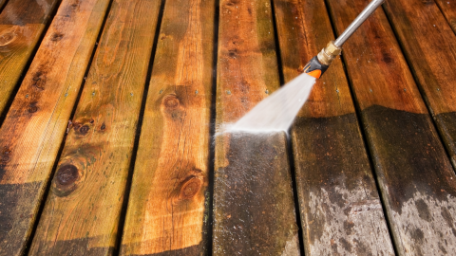
The AFL Grand Final is more than just a sporting event in Melbourne, it is the unofficial launch of the outdoor entertaining season. As thousands of households from Hawthorn to South Yarra prepare to host gatherings, the state of the backyard becomes a focal point. After a long, damp winter, outdoor surfaces are often at their worst: covered in a slick green tinge of algae, winter grime, and accumulated leaf tannins. A professional pressure wash in the week leading up to the long weekend does more than just clean, it revitalises the property's aesthetic and ensures a safe, slip-free environment for guests. Achieving that result, however, requires a nuanced understanding of surface chemistry and pressure settings to avoid the permanent scarring that often plagues DIY attempts.
Pressure Settings: Timber vs. Concrete vs. Composite
The most common mistake during pre-Grand Final prep is a one-size-fits-all approach to pressure. Timber decking, prevalent in the leafy backyards of Richmond and Camberwell, is a soft substrate. Using a high-PSI setting can "fuzz" the wood grain or leave visible stop-start marks that are impossible to sand out. Timber should be treated with a soft-wash approach, higher water volume at lower pressure, combined with biodegradable surfactants that lift the grime chemically before it is rinsed clear. Concrete pavers and driveways are far more resilient and can handle higher PSI to lift deep-seated oil stains and dirt. Composite decking (like Trex or ModWood) requires a middle-ground approach; while it doesn't rot, the plastic-timber blend can be easily gouged by a concentrated needle-jet nozzle. Understanding these thresholds is what separates a professional restoration from a damaged surface.
Removing the "Winter Green": Algae and Lichen Treatment
The shaded side of Melbourne homes often develops a thick layer of green algae or black lichen over winter. This isn't just an aesthetic issue; when wet, these organic growths become incredibly slippery, posing a significant safety risk to guests during a Grand Final BBQ. Standard water blasting often only removes the surface "heads" of the algae, leaving the spores embedded within the porous stone or timber. A professional deep clean involves a pre-treatment with a specialised algaecide that kills the growth at the root. This ensures the surface stays clean for the entire spring season, rather than turning green again after the first October rain.
BBQ Grill Deep-Clean Protocols
A pristine patio is wasted if the BBQ hasn't been touched since last summer. In 2026, hygiene standards have moved toward total degreasing. This involves removing and soaking the internal grill components in eco-friendly carbon removers, clearing the fat trays that are a primary cause of flare-ups, and scrubbing the burner tubes to ensure even flame distribution. The exterior stainless steel should be treated with a specialised stainless polish to remove "tea-staining", the brown oxidation that develops in Melbourne's humid coastal air, ensuring your outdoor kitchen looks as impressive as the meal you're serving.
The Finishing Touch: Re-Oiling and Sealing
Pressure washing is only half the job. Once a timber deck has been deep-cleaned, the natural oils have often been stripped away, leaving the wood vulnerable to the harsh Australian sun. September is the optimal time for re-oiling. In suburbs like South Yarra, where outdoor aesthetics are paramount, high-penetration deck oils that highlight the natural grain while providing UV protection are the professional standard. For concrete pavers, a penetrating sealer prevents future algae growth and protects against red wine or grease spills during the match. The result is a surface that doesn't just look new for the Grand Final, it stays protected until Christmas. See our residential pressure washing service for pre-event bookings.
DIY tip: Never start the pressure stream directly on the surface. Aim at a sacrifice zone, a patch of lawn or brick, then sweep the wand onto the deck in one long, continuous motion. This prevents "pressure dings" that occur when the pump first engages at full force.
Frequently Asked Questions
Will pressure washing damage my timber deck?
Pressure washing will only damage timber if the PSI is set too high or the nozzle is held too close to the surface. When performed using soft-wash techniques and the correct chemical pre-treatments, it safely removes grime without splintering the wood fibres or raising the grain.
How long does it take for a deck to dry before I can oil it?
In Melbourne's typical September weather (around 18–20°C), a deck requires approximately 48 hours of dry weather to ensure the internal moisture content is low enough for oil to penetrate correctly. Applying oil to a damp deck will cause the finish to peel or blister within months of application.
Don't get caught in the cold. Book your professional Melbourne property service with Spot On today.
Related Articles
View all
Need Professional Help?
Let Spot On handle it for you. We offer a 100% satisfaction guarantee on all our services across Melbourne.