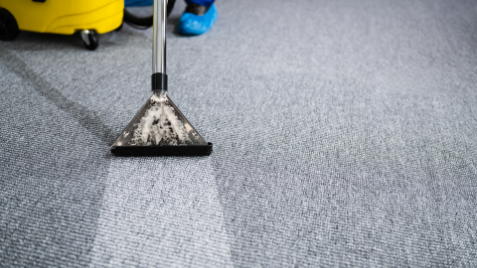
Not all carpets in Melbourne are the same, and neither are the methods used to clean them. From the wool blends found in Toorak's Edwardian homes to the nylon loop tiles in CBD offices, choosing the wrong cleaning method can void a warranty, cause wicking, or leave your carpet in worse condition than before. Here is how to make the right call.
Hot Water Extraction (Steam Cleaning): The Deep-Clean Standard
Hot water extraction, commonly called steam cleaning, injects hot water and detergent deep into the carpet pile under pressure, then extracts it along with dissolved dirt, bacteria, and allergens. It is the method recommended under AS/NZS 3733:2018, the Australian and New Zealand standard for textile floor coverings maintenance.
- Best for: Wool blends, high-traffic residential carpets, pet-affected areas, end of lease cleans where maximum sanitisation is required, and any situation where a cleaning receipt is needed to meet lease conditions
- Drying time: 4–8 hours depending on pile depth, ventilation, and Melbourne's weather conditions. Avoid walking on carpet while wet and keep windows open to speed drying
- Limitations: Not suitable for some delicate wool or sisal carpets, or for jute-backed carpet tiles that can delaminate if oversaturated
AS/NZS 3733 and rental properties: Most Melbourne lease agreements that specify professional carpet cleaning implicitly require a method that meets this standard. Hot water extraction by a professional operator is the safest way to satisfy that condition and protect your bond.
Dry Carpet Cleaning: Walk-On Results in 30 Minutes
Dry carpet cleaning applies a low-moisture cleaning compound or encapsulation chemical to the carpet, which binds to soil particles and is then vacuumed away. The carpet is dry and walkable within 30 minutes.
- Best for: Commercial offices that cannot afford downtime, busy Melbourne homes during humid summer months when drying is difficult, delicate carpet fibres that cannot handle moisture, and maintenance cleans between deeper extractions
- Limitations: Does not penetrate as deeply as hot water extraction. Does not sanitise to the same microbial level. Not suitable as a standalone solution for heavily soiled carpets, pet stains, or end of lease requirements where a receipt is needed
The Wicking Problem: Why Method Matters for Stains
"Wicking" happens when a stain appears to be cleaned at the surface but reappears after drying. This occurs when the cleaning method removes the stain from the top of the pile but leaves the residue in the backing or underlay, which then travels back up as the carpet dries. Using an oversaturated hot water extraction on a heavily stained area without sufficient extraction is a common cause.
- A professional operator adjusts water temperature, pressure, and extraction speed based on the carpet type and stain profile
- Pre-treating stains with appropriate spotting agents before extraction reduces wicking significantly
- If wicking occurs, the solution is typically a targeted re-treatment with a fast-drying method, not another full extraction
How We Decide Which Method to Use
We assess the carpet's fibre type, construction, soiling level, and your timing requirements before recommending a method. Using the wrong approach can void the manufacturer's warranty on some premium carpet tiles and wool blends, which is why a professional assessment matters more than simply booking the cheapest option.
Our carpet cleaning service covers both hot water extraction and dry cleaning across Melbourne. We also offer steam cleaning for hard floors and upholstery. Book an assessment and we'll recommend the right method for your carpet before we start.
Related Articles
View all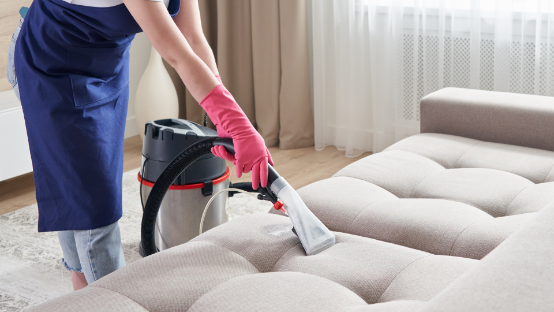
Need Professional Help?
Let Spot On handle it for you. We offer a 100% satisfaction guarantee on all our services across Melbourne.