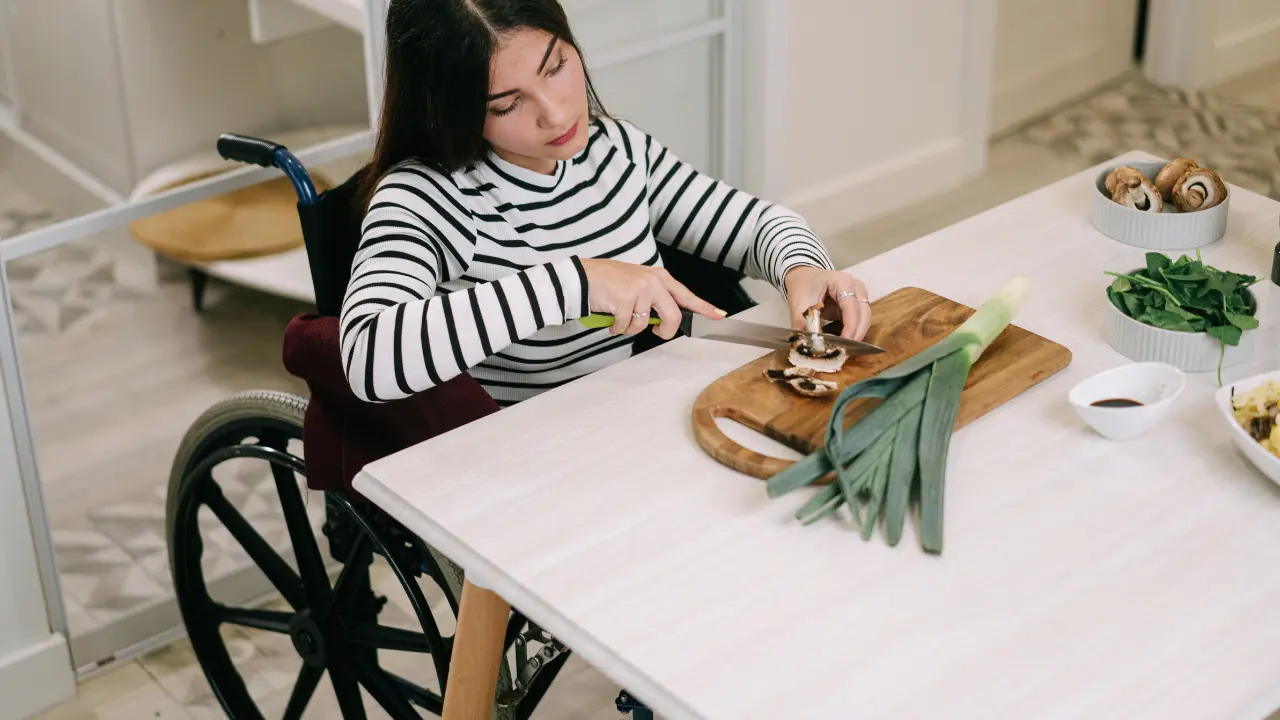
When people discuss NDIS household supports, the conversation often revolves around convenience: having someone help with the vacuuming, dropping off the laundry, or keeping the kitchen tidy. While reducing daily physical effort is a major benefit, the true value of these services runs much deeper.
For an NDIS participant, the proper execution of daily household tasks is a critical preventative health measure.
An unmaintained living environment can quickly become a serious safety hazard. Dust buildup compromises respiratory health, cluttered walkways create immediate fall risks, and improper kitchen sanitation opens the door to foodborne illness. By strategically using your Core Supports (Assistance with Daily Life) budget, you can transform your home into a protective sanctuary that actively preserves your health and physical independence.
The Intersection of Home Maintenance and Physical Health
A healthy home directly impacts a healthy body. For individuals with compromised immune systems, physical mobility limitations, or sensory sensitivities, standard household dust and microscopic mould spores are not just minor nuisances; they are active health hazards.
Professional household support addresses these hidden vulnerabilities through targeted environmental management:
Respiratory Protection and Allergen Control
Melbourne is known for dramatic seasonal shifts that trigger severe environmental sensitivities. Deep dusting, systematic vacuuming with HEPA-filter equipment, and regular mattress care minimise the presence of dust mites, pet dander, and pollen. This consistent upkeep reduces structural triggers for individuals living with asthma, chronic obstructive pulmonary disease (COPD), or heightened immune responses.
Infection Prevention in High-Touch Zones
Kitchens and bathrooms are high-moisture ecosystems where bacteria thrive. If a physical disability makes detailed scrubbing or deep disinfection difficult, these areas can become vectors for illness. Regular household support ensures food preparation surfaces, refrigerator interiors, taps, and toilet areas are properly sanitised, reducing the risk of bacterial infections.
Turning Household Tasks Into Fall Prevention
According to public health data, the majority of accidental injuries for individuals with mobility impairments occur within the home. Managing physical clutter and floor care is a direct form of fall prevention.
Here is how standard NDIS household tasks directly address high-priority safety risks:
- Slippery floor surfaces: Prompt mopping, grease removal, and wet-area drying in kitchens and bathrooms eliminate friction-loss falls on hard surfaces.
- Pathway obstacles: Daily tidying, cord management, and strategic item storage create clear, predictable transit zones for walking aids and wheelchairs.
- Lifting strain injuries: Support worker handling of heavy laundry, bin transfer, and grocery carrying prevents muscle tears, spinal strain, and fatigue-induced drops.
- Microbial growth: Consistent surface drying, ventilation checks, and preventative bathroom scrubbing reduce mould exposure and respiratory inflammation.
Aligning Household Tasks With Your NDIS Plan Goals
To unlock funding for domestic assistance, the NDIA requires a clear link between the requested service and the overarching goals inside your NDIS plan. When describing why household tasks matter during a plan review, frame the request around functional outcomes rather than simple preference.
Instead of stating: "I need a cleaner to keep my house looking nice."
Frame the support around evidence: "I require assistance with complex household tasks to maintain an allergen-free, sanitary living environment that prevents respiratory flare-ups and keeps my home free of physical transit hazards, allowing me to live safely and independently."
By shifting the focus toward safety, hygiene, and risk reduction, you demonstrate exactly how professional home support meets the essential "Reasonable and Necessary" criteria.
Spot On works with NDIS participants and their support coordinators across Melbourne, Geelong, and the Mornington Peninsula. See our Core Supports page for the full scope of household and community support we deliver, or our house cleaning page for the operational detail.
Frequently Asked Questions
Can my support worker help me reorganise my home to make it safer?
Yes. Under the household tasks line item, a support worker can assist with basic home organisation, decluttering high-traffic areas, and arranging items within easy, safe reach. For complex, structural accessibility overhauls, an Occupational Therapist (OT) assessment may be required to access Capital Supports.
Does NDIS household funding cover deep mould removal from walls and ceilings?
Standard NDIS household support covers routine cleaning to prevent mould, such as wiping down wet tiles and maintaining basic bathroom hygiene. If a property suffers from structural dampness requiring industrial mould remediation or building repairs, this is considered property maintenance and is generally the responsibility of the homeowner or landlord, not the NDIS.
How do I prove to the NDIS that household tasks are necessary for my health?
The most effective way is to provide supporting documentation from your treating professionals. A letter from your GP outlining respiratory vulnerabilities, or an assessment from an Occupational Therapist detailing how physical fatigue or mobility restrictions increase your risk of injury during housework, provides the objective clinical evidence the NDIA looks for.
Ready for a Spot On finish? Get a fast, free quote for your Melbourne property today.
Related Articles
View all
Need Professional Help?
Let Spot On handle it for you. We offer a 100% satisfaction guarantee on all our services across Melbourne.